

- Full event video(video)
Recent years have brought economic data innovations across Indian Country and new models for governing data in ways that honor tribal data sovereignty. Digital advancements have made it easier to collect and analyze data, and artificial intelligence (AI) has introduced new risks and possibilities. Tools such as tribal censuses, economic impact reports, and the Survey of Native Nations are equipping tribes with new forms of data as they navigate economic realities. During a time of rapid change, how are tribes leveraging emerging data opportunities in ways that safeguard tribal citizens and values?
The Center for Indian Country Development’s (CICD’s) 2026 data summit featured conversations with Indian Country thought leaders on what it means to marshal data for economic self-determination. Tribal leaders shared ways they’re working with economic data to design services for tribal citizens, attract investment in their communities, and steward their resources for future generations. Speakers also explored ways tribes are shaping emerging data applications on their own terms.
Speakers included:
- Secretary/Treasurer Michelle Beaudin (Lac Courte Oreilles Band of Lake Superior Ojibwe), Lac Courte Oreilles Band of Lake Superior Ojibwe
- Jennifer Chadwick (Choctaw Nation of Oklahoma), Federal Reserve Bank of Kansas City
- Former Vice President Danielle DeLong (Ho-Chunk Nation), Ho-Chunk Nation
- Effie Edsitty (Navajo Nation), Office of the Navajo Tax Commission
- Matthew Gregg, CICD, Federal Reserve Bank of Minneapolis
- Adelita Guerue (Sicangu Lakota, Klamath Tribe), Rosebud Sioux Tribe Tribal Land Enterprise
- Secretary Zechariah Harjo (Muscogee, Navajo, Chickasaw, and Seminole nations), Office of the Secretary of the Nation, Muscogee (Creek) Nation
- Emilia Holstine, Fond du Lac Band of Lake Superior Chippewa
- Imnížaská drum group (multiple Native nations)
- Brian (Wabjejak) Kirk (Citizen Potawatomi Nation), Pawnee Nation Behavioral Health
- Ava LaPlante (Santo Domingo Pueblo), CICD, Federal Reserve Bank of Minneapolis
- Mike Lettig (Navajo Nation), Huntington Bank
- Casey Lozar (Confederated Salish and Kootenai Tribes), CICD, Federal Reserve Bank of Minneapolis
- Maria Morin McCoy (Turtle Mountain Band of Chippewa), Community Member
- Traci Morris (Chickasaw Nation), American Indian Policy Institute, Arizona State University
- Vanessa Palmer, Community Development and CICD, Federal Reserve Bank of Minneapolis
- Ted Piccolo (Colville Confederated Tribes), Mission Driven Finance
- Eric Ramos (Blue Lake Rancheria Tribe), Tribal First, Alliant Underwriting Solutions
- Michael Running Wolf (Lakota, Cheyenne), First Languages AI Reality
- Alene Tchourumoff, Community Development and CICD, Federal Reserve Bank of Minneapolis
- H Trostle (Cherokee Nation), CICD, Federal Reserve Bank of Minneapolis
- Howard Valandra (Rosebud Sioux Tribe), Indian Land Tenure Foundation
- Lakota Vogel (Cheyenne River Sioux Tribe), Four Bands Community Fund, Federal Reserve Bank of Minneapolis Board of Directors
Event Details
Event Agenda
Thursday, June 25, 2026 |
|
|---|---|
| 10:00–10:15 a.m. CT |
Welcome and Introduction [Video] Speakers:
|
| 10:15–10:45 a.m. CT | Fireside Chat: Digital Sovereignty and the Future of Tribal Economies [Video] Moderator: Casey Lozar (Confederated Salish and Kootenai Tribes), CICD, Federal Reserve Bank of Minneapolis Speaker: Traci Morris (Chickasaw Nation), American Indian Policy Institute, Arizona State University |
| 10:45–11:00 a.m. CT | Presentation: A New Look at Tribal Enterprise: CICD Research Addressing Data Gaps in Native Business Ownership [Video] Speaker: Ava LaPlante (Santo Domingo Pueblo), CICD, Federal Reserve Bank of Minneapolis [Slides] |
| 11:00 a.m.–12:00 p.m. CT | Panel: AI on Indigenous Terms: Considerations for Indian Country [Video] Moderator: Vanessa Palmer, Community Development and CICD, Federal Reserve Bank of Minneapolis Panelists:
|
| 12:00–1:00 p.m. CT | Panel: Data and Recent Developments in Tribal Land Acquisition [Video] Moderator: Matthew Gregg, CICD, Federal Reserve Bank of Minneapolis [Slides] Panelists:
|
| 1:00–2:00 p.m. CT | Panel: Governing Through Numbers: Tribal Council Perspectives on Taxation Data and Fiscal Decision-Making [Video] Moderator: H Trostle (Cherokee Nation), CICD, Federal Reserve Bank of Minneapolis [Slides] Panelists:
|
| 2:00–2:55 p.m. CT | Panel: The Role of Data in Capital Weaving in Indian Country [Video] Moderator: Jennifer Chadwick (Choctaw Nation of Oklahoma), Federal Reserve Bank of Kansas City Panelists:
|
| 2:55–3:00 p.m. CT | Closing Remarks and Thank You [Video] Speakers:
|
Additional Resources
RESOURCES SHARED BY PRESENTERS
Presenter Information
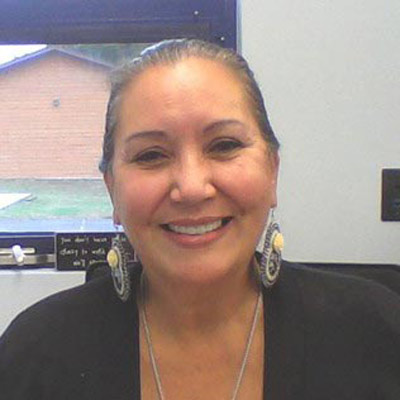
Secretary/Treasurer Michelle Beaudin
Lac Courte Oreilles Band of Lake Superior Ojibwe
Secretary/Treasurer, Lac Courte Oreilles Band of Lake Superior Ojibwe
Secretary/Treasurer Michelle Beaudin (Binesiikwe) has devoted 45 years of professional service to her tribe, bringing extensive experience in health care and financial systems and advancing through multiple leadership and administrative roles. Her experience includes 28 years in accounting and 12 years in health administration, finance, and information technology. She has served four years as the elected secretary/treasurer and three years as a tribal council member on the governing board. During this time, she earned a degree in business management.
Secretary/Treasurer Beaudin’s service extends to numerous local, regional, and national boards and committees, including the Big Fish Golf Course Board of Directors, Sawyer County/Lac Courte Oreilles Economic Development Board, Lac Courte Oreilles Financial Services Board, Giwii-Minobimaadizimin Prevention Coalition, Great Lakes Area Tribal Health Board, Midwest Alliance of Sovereign Tribes, Indian Health Service Community Health Aide Program Tribal Advisory Committee, U.S. Department of the Interior Secretary’s Tribal Advisory Committee, Tribal-Interior Budget Council (Midwest representative), National Congress of American Indians (Midwest representative), and National Congress of American Indians Data Subcommittee.
She is from the Ajijak Clan and Odaawaazaaga’igan (Lac Courte Oreilles Tribe).
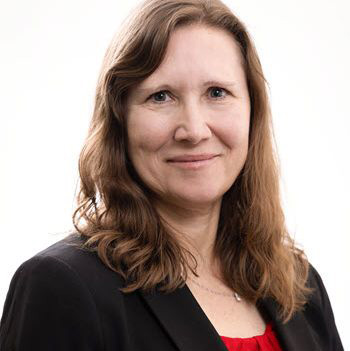
Jennifer Chadwick
Choctaw Nation of Oklahoma
Community Development Advisor, Federal Reserve Bank of Kansas City
Jennifer Chadwick is a community development advisor for the Federal Reserve Bank of Kansas City and works out of the Oklahoma City Branch.
Chadwick’s emphasis is on mutually meaningful engagement with tribal nations and communities on collaborative economic-focused opportunities.
Chadwick has more than 20 years’ experience working within the field of community-focused research and health initiatives. In her previous role as the Native American research coordinator with the University of Oklahoma Health Science Center, she served as a liaison between study investigators and tribal nations, communities, and health boards. Her efforts focused on fostering mutually meaningful collaborations. This work lent itself to many research partnerships. These resulted in cooperative publications that focused on community engagement in clinical trials related to diabetes prevention and treatment in youth.
Chadwick, a life-long Oklahoman, is an enrolled citizen of the Choctaw Nation of Oklahoma and a graduate of Phillips University previously in Enid, Oklahoma.
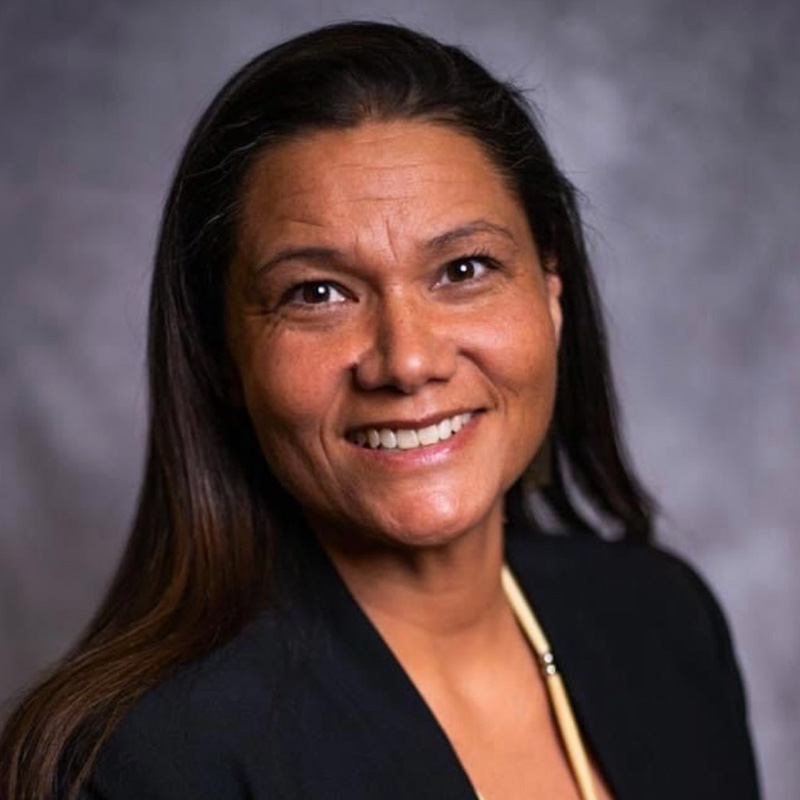
Former Vice President Danielle DeLong
Ho-Chunk Nation
Former Vice President, Ho-Chunk Nation
Danielle DeLong is a citizen of the Ho-Chunk Nation and a member of the Deer Clan. She has spent much of her career in education, including developing the St. Paul Ho-Chunk Nation Youth Center to support and uplift Native youth.
In response to the COVID-19 pandemic and a desire to serve her nation in a broader capacity, DeLong ran for a tribal legislator position and was elected in 2021 to represent District 4, which at the time served Ho-Chunk members living outside the state of Wisconsin. During her final year in office, she was elected by the legislature to serve as vice president of the Ho-Chunk Nation. Former Vice President DeLong completed four years of service, grounded in a passion for education and women’s advocacy.
She continues her service to American Indian communities in her current role with the Minnesota Department of Human Services as a tribal relations specialist for Region 1, where she works closely with the four Dakota communities and urban American Indian community.
Former Vice President DeLong earned her bachelor’s degree in language arts with a minor in Spanish from Eastern Michigan University in 2002 and her master’s degree in tribal administration and governance from the University of Minnesota Duluth in 2024.
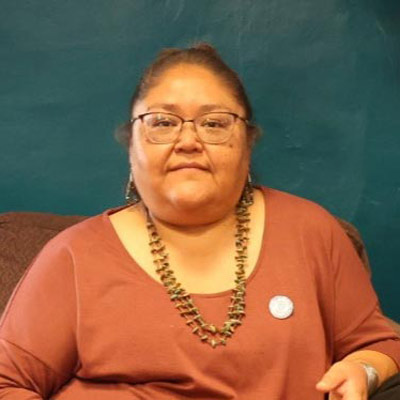
Effie Edsitty
Navajo Nation
Executive Director, Office of the Navajo Tax Commission
Effie Edsitty is the executive director of the Office of the Navajo Tax Commission, with over 14 years of experience in tribal government taxation. Since becoming executive director, Edsitty has guided her team to collect an average of $148 million in tax revenue for the past three years. Under her leadership, the Office of the Navajo Tax Commission has also been able to increase tax rates and implement their newest tax: the Nicotine Products and Electronic Smoking Products Tax.
Edsitty started her career as a tax compliance officer for the Navajo Nation, administering the Navajo Nation’s 10 business taxes.
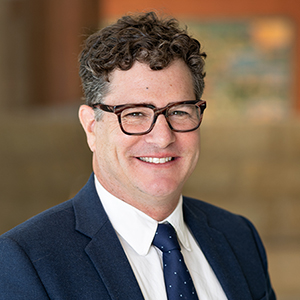
Matthew Gregg Senior Economist, CICD, Federal Reserve Bank of Minneapolis
Matthew Gregg is a senior economist in Community Development and Engagement at the Federal Reserve Bank of Minneapolis, where he focuses on research for the Center for Indian Country Development (CICD). Before joining the Bank, Gregg was an associate professor of economics at Roger Williams University and, prior to that, a visiting economics professor at Grinnell College. He has conducted research on a wide range of topics within tribal economic development and published work on historical development, Indian removal, land rights, and agricultural productivity. Gregg is a member of the Association for Economic Research of Indigenous People.
Gregg received his Ph.D. from the University of Georgia, where he specialized in applied microeconomics and economic history.
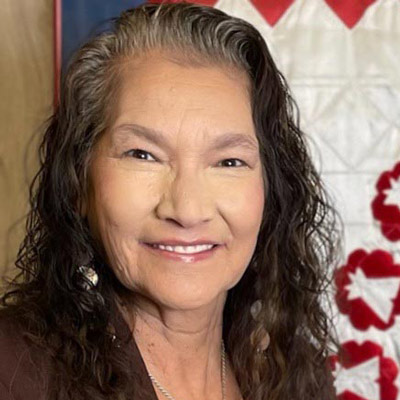
Adelita Guerue
Sicangu Lakota, Klamath Tribe
Interim Executive Director, Rosebud Sioux Tribe Tribal Land Enterprise
Adelita Guerue is the interim executive director of Tribal Land Enterprise, a subordinate organization of the Rosebud Sioux Tribe in Rosebud, South Dakota. In this role, she serves her tribe with expertise in the conservation and protection of tribal lands and assists tribal landowners and tribal members with technical assistance.
Guerue previously served 26 years with the U.S. Department of the Interior Bureau of Indian Affairs (BIA) in various departments and capacities within the Trust Services programs, including serving as a BIA superintendent at two different agencies and completing details at other agencies and regional offices in the Great Plains, Midwest, and Navajo region. She also served as the division chief for the National Probate Program and as director of special projects within the BIA, working with 574 tribes, 12 regions, and 87 agencies throughout the nation.
Guerue is enrolled Sicangu Lakota (Rosebud Sioux), South Dakota, and part Klamath Tribe, Oregon. She was born and raised on the Rosebud Reservation.
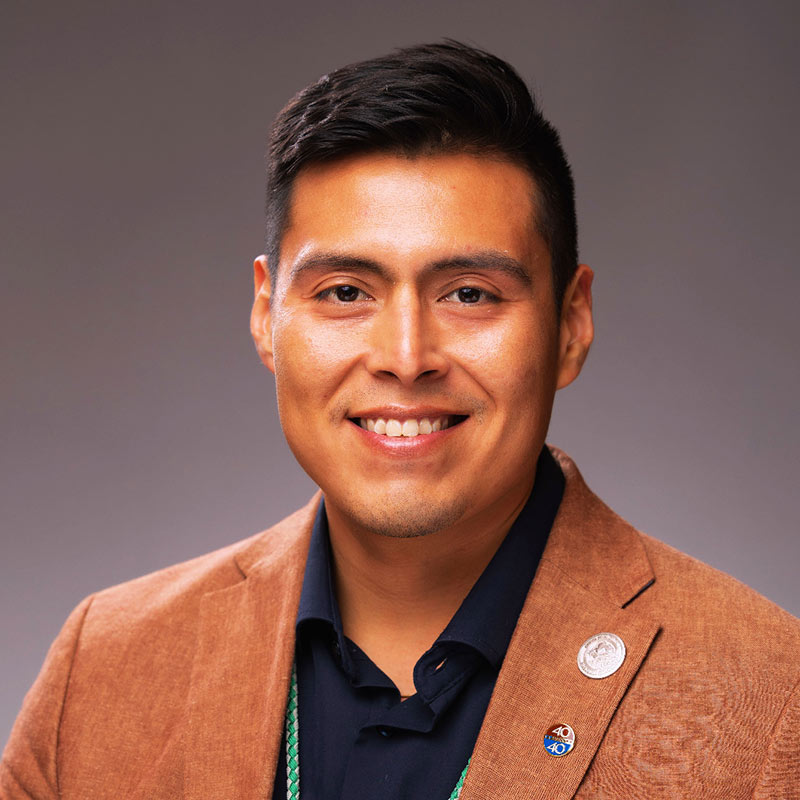
Secretary Zechariah Harjo
Muscogee, Navajo, Chickasaw, and Seminole nations
Secretary of the Nation, Office of the Secretary of the Nation, Muscogee (Creek) Nation
Zechariah Harjo is a citizen of Muscogee (Creek) Nation. Beginning in March 2022, Harjo was named the secretary of the nation and commerce, and he has since been confirmed by tribal resolution as the secretary of the nation. In this role, Secretary Harjo serves as the chief officer for all activities associated with Muscogee Nation’s uniform commercial code, economic development, financial literacy, policy development, project management, technical assistance, and more. Within the Secretary of the Nation division, Secretary Harjo oversees the offices of Planning, Grants, Self-Governance, and Government Relations, as well as the Muscogee Creek Nation Tribal Utility Authority and the Contracting and Employment Support Office. Secretary Harjo’s governmental division has been awarded, funded, and deployed more than $200 million in economic development and infrastructure projects since 2022.
As secretary of the nation, he has received a number of local and national distinctions, including being named to the 2025 Journal Record’s Power List for Native American Leaders in the state of Oklahoma and receiving a 2025 40 Under 40 Award from the National Center for American Indian Enterprise Development.
Secretary Harjo has formal education, training, and experience in grant financial management, public administration, policy development, economic development, taxation and tax law, and project management for tribal and federal agencies. He holds a master’s degree in legal studies from the University of Oklahoma College of Law and a bachelor’s degree in public administration and public policy from the University of Kansas. Secretary Harjo has also completed several graduate certificate programs for tribal government and tribal business leaders at Harvard Business School and Dartmouth College.
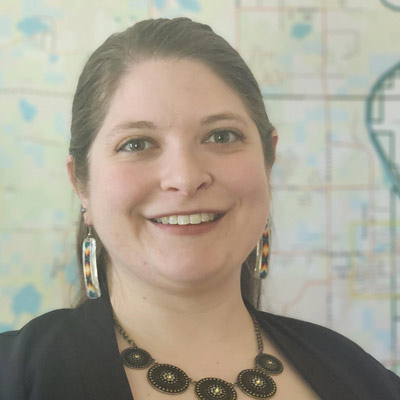
Emilia Holstine Land Information Manager, Fond du Lac Band of Lake Superior Chippewa
Emilia Holstine heads the Land Information Department within the Fond du Lac Resource Management Division. She and her team maintain all legal records relating to the status of the Fond du Lac Band’s land base. They work on issues such as fee to trust, returning reservation land to band ownership, the history of reservation land use, and managing leases and easements on band land.
Holstine also serves as the primary GIS and mapping specialist for Fond du Lac. She provides services in digital cartography, geospatial analysis, and spatial data management for a variety of programs throughout Fond du Lac’s tribal government.
Previously, Holstine worked for the U.S. Forest Service in the archaeological division at the Superior National Forest, specializing in archival data development. She graduated from the University of Minnesota Duluth with a B.A. in anthropology and GIS.
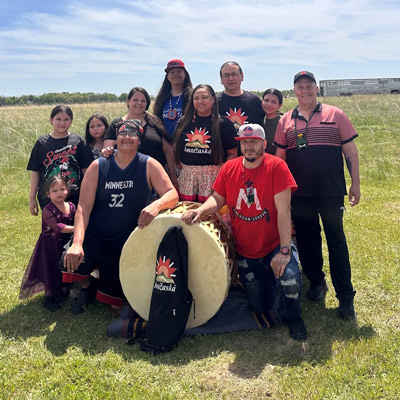
Imnížaská Multiple Native nations
Imnížaská (pronounced Ee-Mni-Zha-Ska) is an intertribal drum group made up of singers from tribes across Minnesota, North Dakota, South Dakota, and Wisconsin. Imnížaská is a family-oriented drum group dedicated to preserving and sharing Indigenous drumming and singing traditions through education, community engagement, and public performances. They have been actively educating in schools and community groups for nearly four years.

Brian (Wabjejak) Kirk
Citizen Potawatomi Nation
Program Manager, Pawnee Nation Behavioral Health
Brian (Wabjejak) Kirk is the program manager for Pawnee Nation Behavioral Health. He developed an early passion for Native American relations and the quality of health in Native American communities. After graduating from the Louisiana State University School of Allied Health Professions with his Master of Public Health, Kirk joined the Pawnee Nation of Oklahoma in 2016. As executive affairs director of the Pawnee Nation, he worked with the executive director and Pawnee Business Council on strategies to strengthen the government and diversify the economy, including helping to secure self-governance status with the Indian Health Service and Bureau of Indian Affairs.
Kirk has served as an elected Tribal Employment Rights Office (TERO) commissioner and was a 2021 member of Leadership Native Oklahoma. He is an enrolled tribal member of the Citizen Potawatomi Nation.
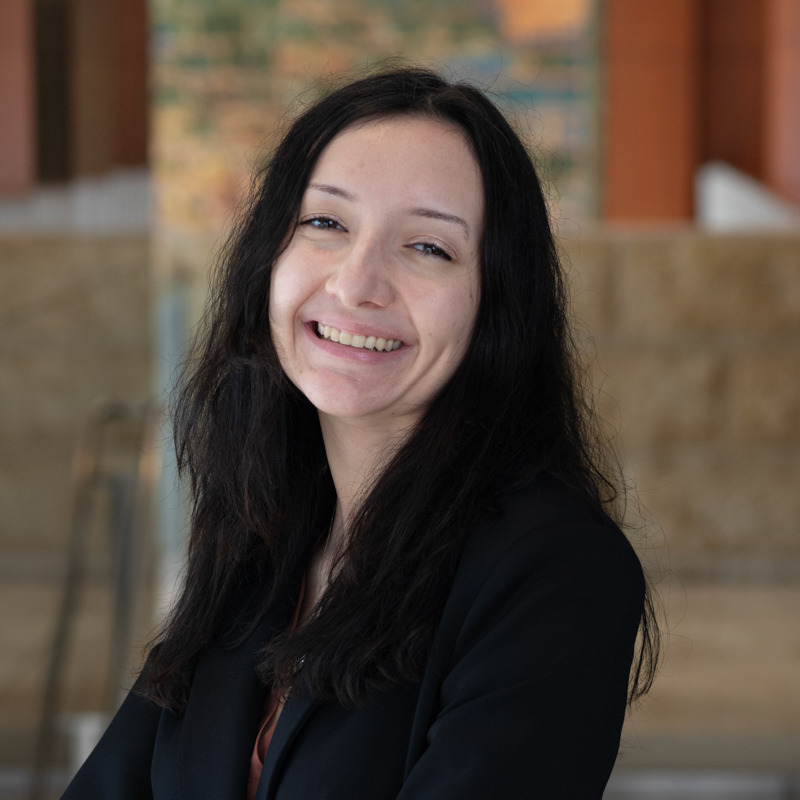
Ava LaPlante
Santo Domingo Pueblo
Associate Data Scientist, CICD, Federal Reserve Bank of Minneapolis
Ava LaPlante is an associate data scientist for the Center for Indian Country Development (CICD) at the Federal Reserve Bank of Minneapolis, where she contributes to CICD’s research and policy work by compiling data, conducting analysis, and developing data tools that advance the economic self-determination and prosperity of Native nations and Indigenous communities. LaPlante started with CICD as an intern while she completed her bachelor’s degree in economics and public policy from St. Catherine University. In 2022, she was a scholar in the American Economic Association’s Summer Program.
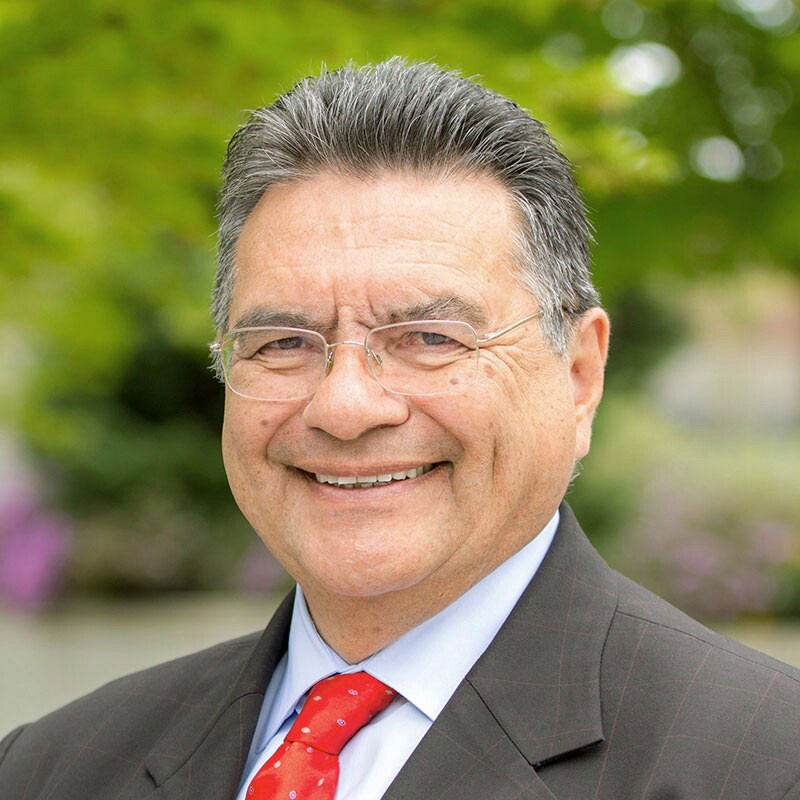
Mike Lettig
Navajo Nation
Senior Managing Director, Group Head of Native American Financial Services, Huntington Bank
Mike Lettig joined Huntington Bank in December 2023 and is senior managing director and group head of Native American Financial Services. In this role, Lettig leads efforts to establish integrated financial relationships with federally recognized tribes across the United States. Lettig has held numerous leadership roles during his 47-year career in banking, including serving as commercial executive for Washington, Oregon, and Alaska and national executive for Native American financial services and agribusiness for KeyBank and its predecessors.
In 2005 Lettig established one of the first comprehensive financial services delivery models dedicated to Indian Country. Under his leadership, billions of dollars have been raised for tribes and their business enterprises, over $4 billion of asset management solutions have been established, and municipal debt placements have raised capital for critical infrastructure projects across Indian Country.
Lettig has testified in front of the U.S. Senate Committee on Indian Affairs encouraging investment in Indian Country. He has served as a member of the Office of the Comptroller of the Currency task force on homeownership solutions for Indian Country and the Community Reinvestment Act task force. He also serves on advisory councils for NAFOA and the National Center for American Indian Enterprise Development and has previously served on Junior Achievement of Washington’s Executive Board and Finance Committee. In 2023 Lettig received a NAFOA Lifetime Achievement Award for his service to all of Indian Country.
Lettig is a descendent of the Navajo Nation and a proud veteran of the United States Marine Corps.
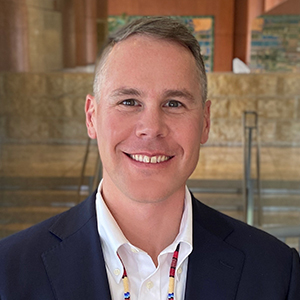
Casey Lozar
Confederated Salish and Kootenai Tribes
Director, CICD
Vice President, Federal Reserve Bank of Minneapolis
Casey Lozar is a vice president at the Federal Reserve Bank of Minneapolis and director of the Center for Indian Country Development (CICD), a research and policy institute that works to advance the economic self-determination and prosperity of Native nations and Indigenous communities.
Before assuming leadership of CICD, Lozar was assistant vice president/outreach executive in the Bank’s department of Public Affairs, and the leader of our Helena Branch.
Prior to joining the Minneapolis Fed in 2018, Lozar served in economic development and higher education roles for the State of Montana. Additionally, he held executive leadership positions in national Native American nonprofits, including the American Indian College Fund and the Notah Begay III Foundation.
Lozar received degrees from Dartmouth College and Harvard University and an MBA from the University of Colorado-Denver.
Lozar is the 2021 recipient of the Janet L. Yellen Award for Excellence in Community Development and a 2022 recipient of the Honorary Leadership Award from the Native American Finance Officers Association.
A Montana native, Lozar was raised on the Flathead Indian Reservation and is an enrolled member of the Confederated Salish and Kootenai Tribes.
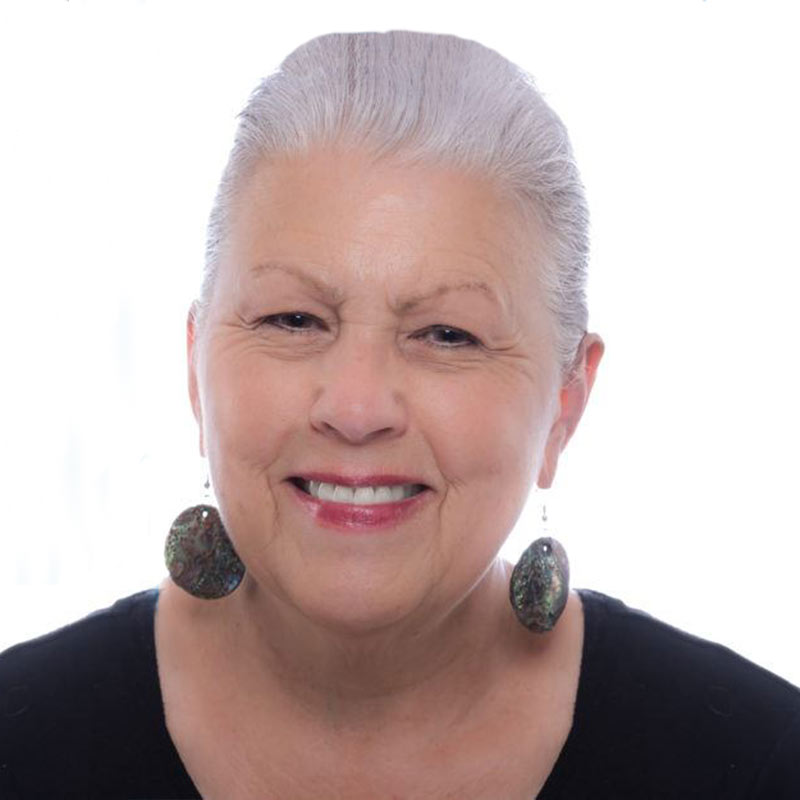
Maria Morin McCoy
Turtle Mountain Band of Chippewa
Community Member
Maria Morin McCoy has worked in the American Indian community since 1995. Her work supports collective healing from the imprint of historical and intergenerational trauma. She uses Indigenous wellness practices to support well-being, living life to the fullest each day (bimaadiziwin), and a balance of spiritual, physical, emotional, and mental parts of self. McCoy also gathers community to heal through spirit doll-making, providing the opportunity to connect on a deeper level to the teachings of past, present, and future generations (aanikobijigan).
McCoy’s family comes from the Turtle Mountain Band of Chippewa in North Dakota, and she is a member of the Bear Clan. Her spirit name is Mooshkenay Waase Binesikwe Indigo (Filling Up With Light Thunderbird Woman). McCoy lives and works in St. Paul.
Traci Morris
Chickasaw Nation
Executive Director, American Indian Policy Institute, Sandra Day O’Connor College of Law, Arizona State University
Traci Morris is the executive director of the American Indian Policy Institute and a research professor at the Sandra Day O’Connor College of Law at Arizona State University (ASU). She is a citizen of the Chickasaw Nation of Oklahoma.
Morris is nationally recognized as a leading scholar in tribal digital sovereignty, with her research focusing on data governance and artificial intelligence in Indian Country as critical components of tribal self-determination. She is a leading expert on tribal broadband access, digital equity, and telecommunications policy, and has provided expert testimony on these issues before the Federal Communications Commission and on Capitol Hill.
Before joining ASU, Morris founded Homahota Consulting, a Native woman-owned firm serving tribal nations and Indigenous organizations nationwide. She is a sustainability scholar and is affiliated with several ASU centers, including American Indian Studies; the School for the Future of Innovation in Society; and the Center on Technology, Data, and Society. Morris holds a Ph.D. and M.A. in American Indian studies from the University of Arizona and a B.A. from Colorado State University.

Vanessa Palmer Division Data Director, Community Development and CICD, Federal Reserve Bank of Minneapolis
Vanessa Palmer is the division data director for Community Development and Engagement (CDE), which includes the Center for Indian Country Development (CICD), at the Federal Reserve Bank of Minneapolis.
In support of CDE’s work to advance the economic well-being of Indian Country and low- to moderate-income individuals, households, and communities, Palmer leads the division’s data practices, including CICD’s efforts to collect, harmonize, and sustainably manage research-ready data.
Palmer joined the Minneapolis Fed in 2020 as a data scientist. Her prior professional roles focused on supporting a range of private and nonprofit organizations in designing systems and building data products to enable evidence-based decisions. She holds a bachelor’s degree from the University of Washington and a master’s degree from the Harvard T.H. Chan School of Public Health and is a proud former science teacher.
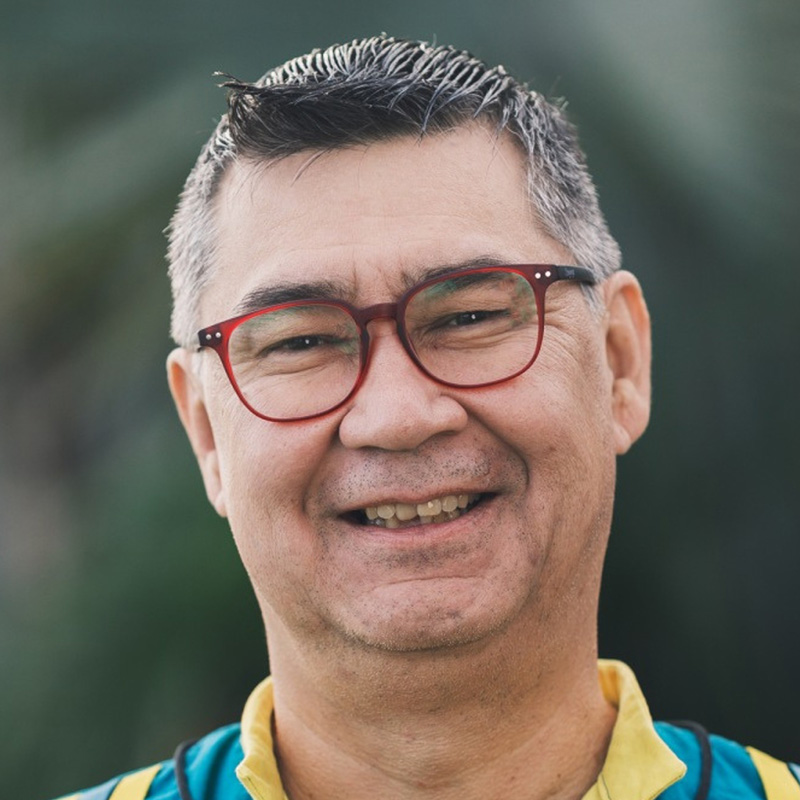
Ted Piccolo
Colville Confederated Tribes
Senior Director of Indigenous Futures, Mission Driven Finance
Ted Piccolo is currently the senior director of Indigenous futures at Mission Driven Finance. He was the founding executive director of the Northwest Native Development Fund, the first Native Community Development Financial Institution in eastern Washington. He grew the organization to be a cornerstone employer in his community, managing over $16 million in assets.
Piccolo has served on various boards throughout Indian Country, including for the Oregon Native American Business and Entrepreneurial Network, the Native CDFI Network, the Affiliated Tribes of Northwest Indians Economic Development Corporation, and the Opportunity Finance Network, among others.
He is a member of the Colville Confederated Tribes and resides on the Colville Indian Reservation in eastern Washington.
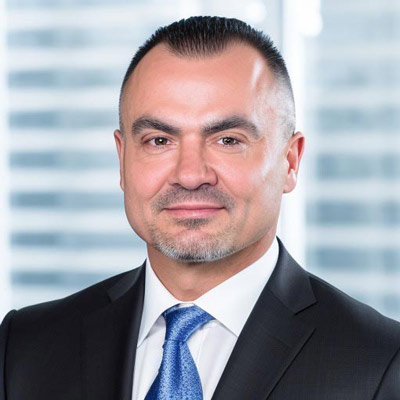
Eric Ramos
Blue Lake Rancheria Tribe
Senior Vice President, Tribal First, Alliant Underwriting Solutions
Eric Ramos serves as senior vice president for Tribal First, a division of Alliant Underwriting Solutions. Tribal First is a specialized program focused on meeting the insurance and risk management needs of tribal governments and enterprises.
Ramos has more than 20 years in the insurance industry, specializing in serving Native American clients, particularly tribal governments. Prior to joining Tribal First, he held various leadership roles, including serving as president and CEO of an insurance firm and as national tribal property casualty practice leader at one of the largest insurance brokerage and consulting firms.
Ramos earned his bachelor’s degree in business administration from Humboldt State University in Arcata, California, and currently serves as a board member of the Humboldt State University Foundation. An enrolled member of the Blue Lake Rancheria Tribe, Ramos is active with several Native American industry associations.
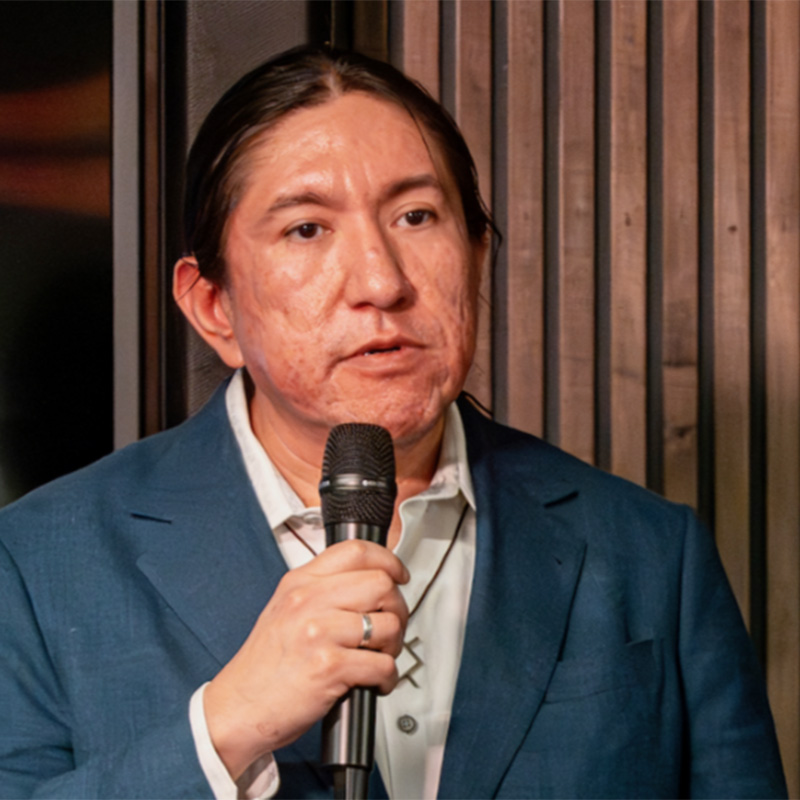
Michael Running Wolf
Lakota, Cheyenne
Co-Founder and Lead Architect, First Languages AI Reality
Michael Running Wolf (Lakota, Cheyenne) was raised in a village in Montana with intermittent water and electricity. Today, he uses AI to reclaim Indigenous languages and is passionate about the ethical application of AI in respect of Indigenous data sovereignty.
Running Wolf is co-founder and lead architect of First Languages AI Reality (FLAIR). He was an engineer for Amazon’s Alexa, served as vice-president of software at an agentic AI startup, and taught at Northeastern University. He holds a Master of Science in computer science.
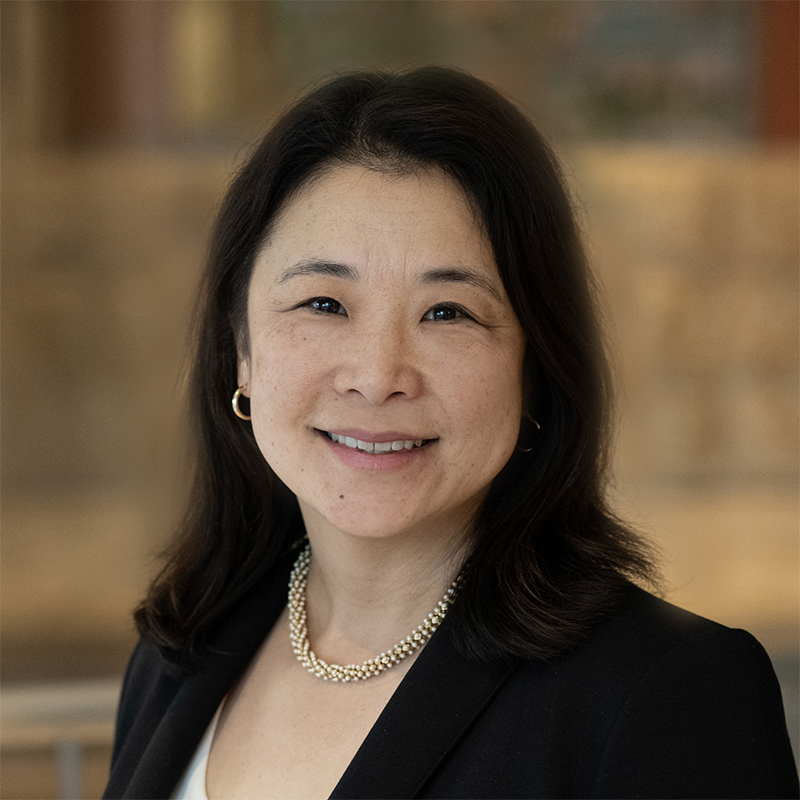
Alene Tchourumoff Senior Vice President, Talent and Engagement, Learning Management Support Office, and Community Development and Engagement, Federal Reserve Bank of Minneapolis
Alene Tchourumoff serves as senior vice president leading three divisions: Talent and Engagement, the Learning Management Support Office, and Community Development and Engagement, which includes the Center for Indian Country Development. In these roles she leads the Bank’s internal human resources as well as the Bank’s external engagement with communities throughout the Ninth District, with an emphasis on low- and moderate-income people and those living in Indian Country.
Prior to joining the Bank in December 2018, Tchourumoff served as chair of Minnesota’s Metropolitan Council, where she built strong partnerships with local governments and community groups to advance transit, housing, and other critical infrastructure. She has also held leadership roles in the executive branch of the State of Minnesota and Hennepin County.
Tchourumoff holds a bachelor’s degree in business administration from George Washington University School of Business and a master’s degree in public policy from Harvard University’s Kennedy School of Government.
Tchourumoff was named a 2020 Women in Business honoree by the Minneapolis/St. Paul Business Journal and is a member of the Minneapolis Foundation Board and a trustee of the Minnesota Science Museum.

H Trostle
Cherokee Nation
Senior Policy Analyst, CICD, Federal Reserve Bank of Minneapolis
H Trostle (they/them) is a senior policy analyst for the Minneapolis Fed’s Center for Indian Country Development (CICD), where they are a leader of the Survey of Native Nations and work with tribes and regional Native organizations to provide research insights related to tribal public finance. Trostle’s areas of expertise include economic development and infrastructure on tribal lands. Prior to joining the Bank, they worked at the American Indian Policy Institute at Arizona State University and the Institute for Local Self-Reliance in Minneapolis.
Trostle studied Indigenous planning and holds a master’s degree in urban and environmental planning from Arizona State University. In 2025, they completed a graduate certificate in tribal sovereignty and federal Indian law at the University of Minnesota Duluth. They also hold a bachelor's degree in political science and classical language from Macalester College.
Trostle is a citizen of the Cherokee Nation.
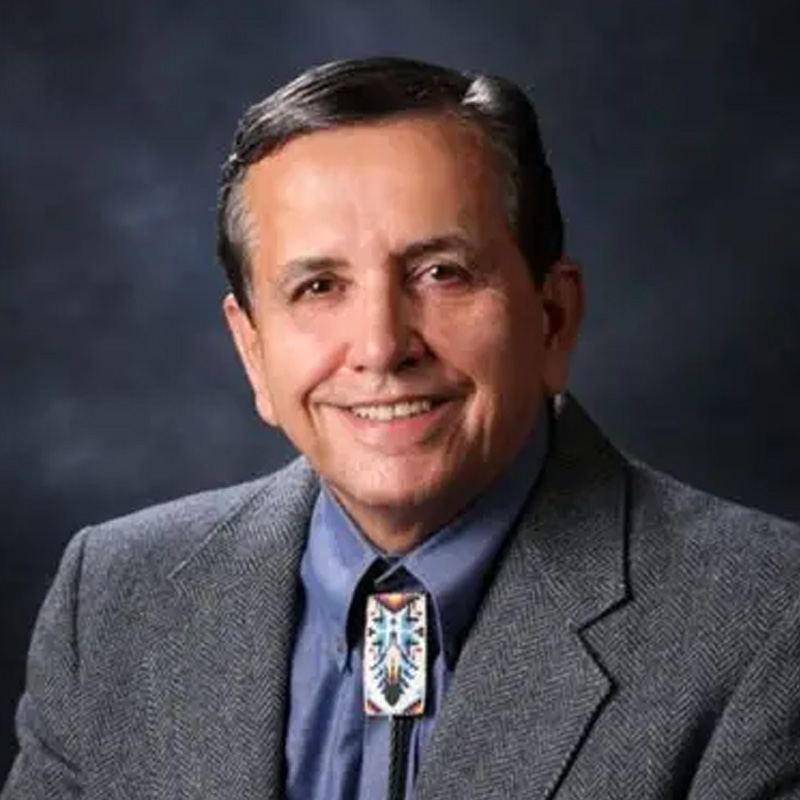
Howard Valandra
Rosebud Sioux Tribe
President, Indian Land Tenure Foundation
Howard D. Valandra, a Sicangu Lakota and enrolled member of the Rosebud Sioux Tribe, returned to the Indian Land Tenure Foundation (ILTF) in 2025 to serve as president. Valandra previously served as vice president of grants and programs at ILTF from its inception in 2002 until 2009.
Raised on the Rosebud Sioux Reservation, Valandra is a graduate of the St. Francis Mission and the University of South Dakota. He began his career in banking with Northwestern National Bank in Sioux Falls, South Dakota, before returning home to support his family’s business ventures. He later served the tribe as a senior accountant and was an education specialist with the Bureau of Indian Affairs.
In 1983, Valandra launched a technology company on the Rosebud Reservation which grew to have locations across the country. After selling the business in 1995, Valandra transitioned into tribal land management as executive director of Tribal Land Enterprises at Rosebud. In 1999, he became a community liaison with the Northwest Area Foundation in St. Paul, which played a key role in the founding of ILTF. In 2010, Valandra joined the U.S. Department of the Interior’s (DOI’s) Office of Special Trustee for American Indians. Since 2019 he has served as a senior consultant for Jorja and Partners LLC, where he works with tribes and organizations on strategic planning, land use, and economic development.
Valandra serves on several boards and committees, including the DOI Advisory Committee on Reconciliation in Place Names.
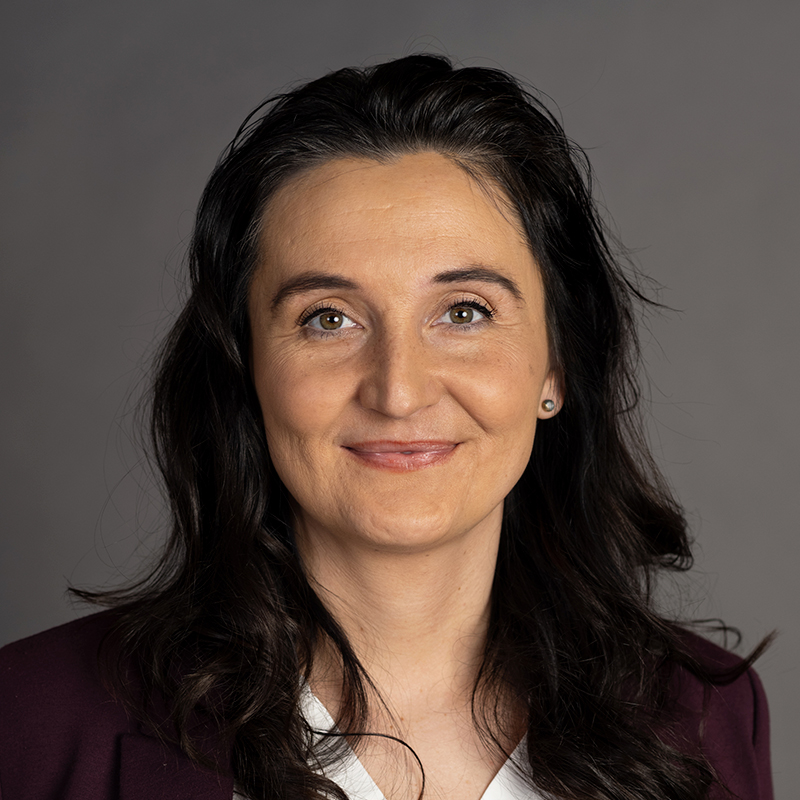
Lakota Vogel
Cheyenne River Sioux Tribe
Executive Director, Four Bands Community Fund
Director, Board of Directors, Federal Reserve Bank of Minneapolis
Lakota Vogel is the executive director at Four Bands Community Fund, an organization that serves the Cheyenne River Sioux Reservation and the greater state of South Dakota in the areas of small business development, business lending, financial literacy, and youth entrepreneurship. Vogel has led Four Bands through a myriad of accomplishments. Most recently, she played a key leadership role in the Mountain | Plains Regional Native CDFI Coalition that led to a $45 million Build Back Better Award from the Economic Development Administration. It has been the largest single investment into the Native CDFI field to date.
In recognition of her leadership, initiative, and dedication, the National Center for American Indian Enterprise Development named Vogel as part of its 2018 “Native American 40 under 40” class. She was the first-ever recipient of Oweesta’s Wičháhpi (Star) Award for her exemplary leadership at Four Bands, spearheading new initiatives, fostering strategic partnerships, and driving the organization toward its ambitious goals. Currently, Vogel serves on several boards, including for the South Dakota Native Homeownership Coalition, the Great Plains Housing Initiative, Akiptan, and Change Labs. She also serves on Augustana University’s board of trustees.
Vogel holds a bachelor’s degree in sociology from the University of Notre Dame and a master’s degree in social work from the Kathryn M. Buder Center for American Indian Studies at the Brown School at Washington University in St. Louis. Vogel is an enrolled member of the Cheyenne River Sioux Tribe and was born and raised on the Cheyenne River Indian Reservation.