Indian Country

The Ninth District includes many Native nations and Indigenous communities, and our research focuses on key issues that affect those who live and work in Indian Country, including access to capital, tribal public finance, and availability of economic data.
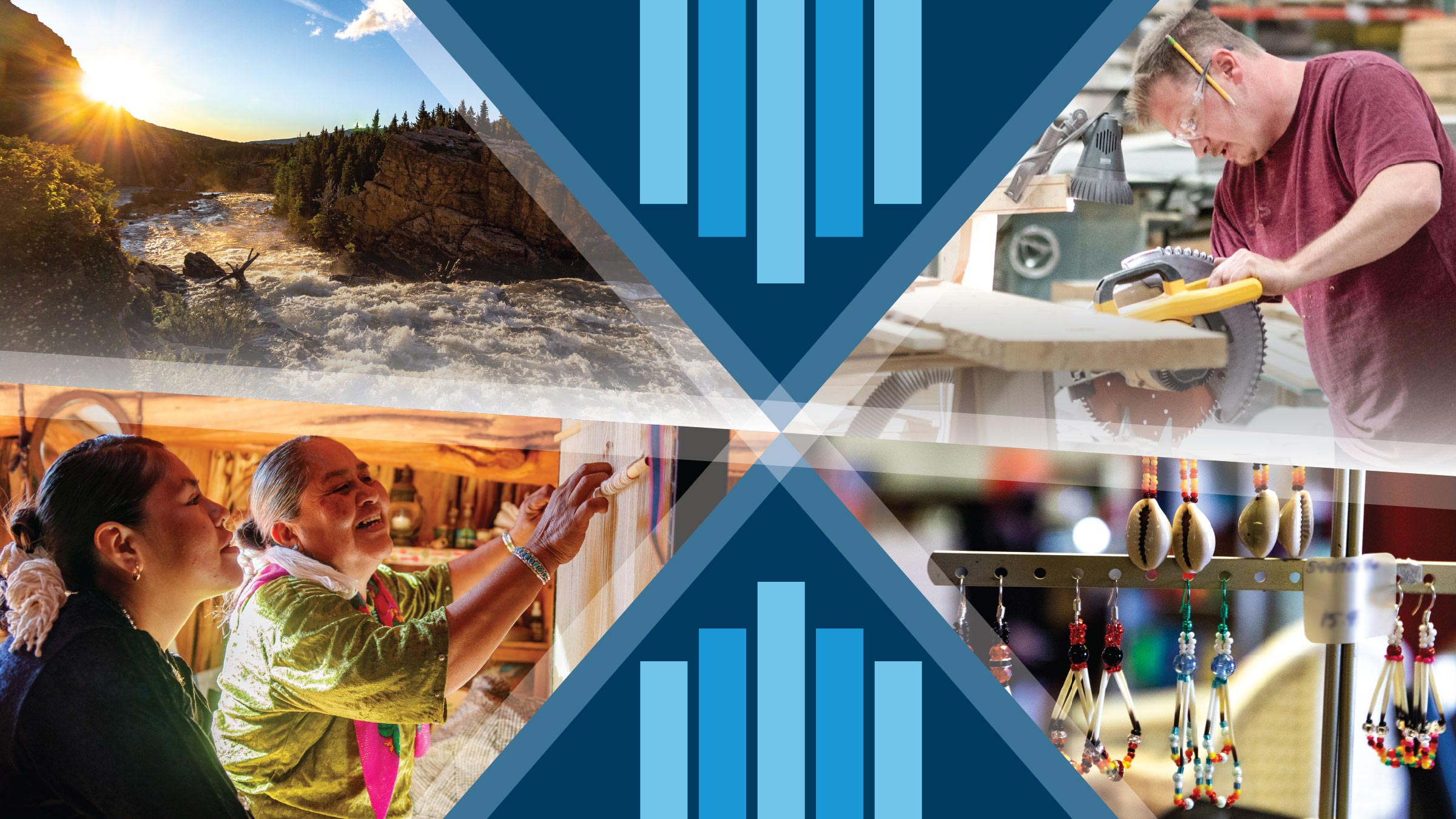
CICD key collage

Center for Indian Country Development

The Center for Indian Country Development (CICD) advances the economic self-determination and prosperity of Native nations and Indigenous communities through actionable data and research that inform public policy discussions. As a research and policy institute headquartered at the Federal Reserve Bank of Minneapolis, CICD supports the Minneapolis Fed’s mission to serve the public by pursuing a growing economy that works for all of us. CICD supports the Federal Reserve System’s community development function, which is one of the Federal Reserve’s core functions based on its mandates from Congress. Rooted in the Community Reinvestment Act, the community development function helps improve economic outcomes in low- and moderate-income communities.

Visit the CICD site »


1-12 of 257

Inside the construction site of a large commercial or industrial building, with exposed steel supports and beams visible in the background, a male construction worker cuts through several lengths of steel using a power saw located in the immediate foreground. The worker is wearing a white hard hat with face shield, black sweatshirt, orange safety vest, blue jeans, and yellow work gloves. Sparks fly from the saw as it cuts the steel.
Native federal contractors contribute to local economies nationwide
Colorful stylized graphic landscape with vibrant charts and technology-related elements layered on top. Image features an interconnected lattice of hexagon shapes, six of which frame photos of individuals as they spoke at the Minneapolis Fed's 2026 Center for Indian Country Data Summit. The six speakers are Michelle Beaudin, Lac Courte Oreilles Band of Lake Superior Chippewa; Zechariah Harjo, Muscogee (Creek) Nation; Mike Lettig, Huntington Bank; Casey Lozar, Federal Reserve Bank of Minneapolis; Traci Morris, Arizona State University; and Michael Running Wolf, First Languages AI Reality.
Through data governance, tribes protect “digital land” and build tribal economies
A woman stocks merchandise in the clothing section of a gift and souvenir shop. She appears in profile and has a focused expression on her face as as she holds several red sweatshirts on hangers before placing them on a wall rack for sale.
To meet demand, Native CDFIs pursue alternative sources of lending capital
At a large wooden conference table that's lit from a nearby window, two colleagues, a man and a woman, gesture as they review financial charts and data on a laptop computer. Printouts of balance sheets lie on the table in front of them. Their heads are cut off in the shot and we only see their forearms and hands. The photo is taken in semi-profile over the shoulder of the man, who is seated in the foreground.
Understanding the financial health of Native CDFI loan funds: A closer look at the numbers
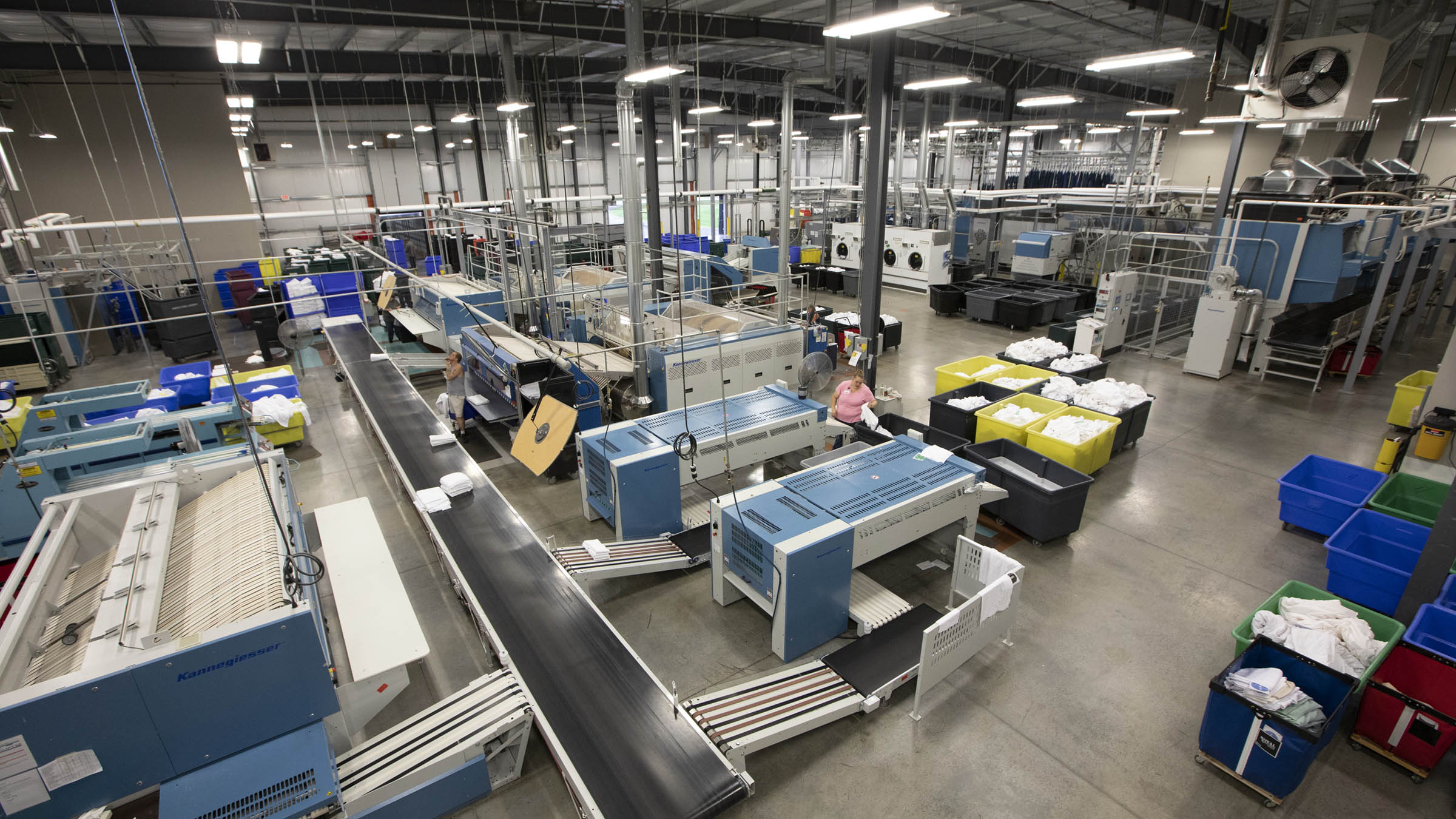
A view of the interior of Grindstone Laundry, a commercial laundry facility operated by Mille Lacs Corporate Ventures and located in Hinckley, Minnesota. The large, brightly lit space houses an array of blue industrial-sized laundry machines, bins full of linens, conveyers, and other equipment. Three workers appear in the center of the shot. The most visible of them is a woman wearing a light pink shirt.
Tribes harness industry experience to enter new markets
CICD Working Paper teal graphic
Understanding the Unequal Costs of Native American Homeownership